
Full Pressure Isolation Test
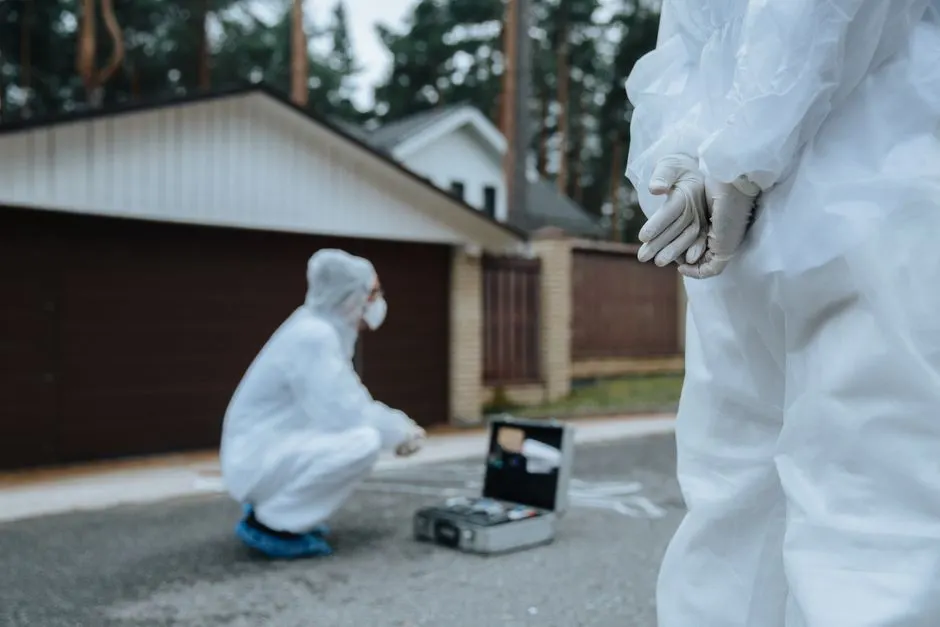
We shut off the main and isolate the hot and cold supply lines with hydrostatic pressure testing kits. This confirms whether the leak is on the pressurized supply side or the drain side, and it takes 20 to 30 minutes.
Our detection service covers everything needed to find the leak and give you a repair plan. It does not include the repair itself, which we quote separately after you see the location report.
We shut off the main and isolate the hot and cold supply lines with hydrostatic pressure testing kits. This confirms whether the leak is on the pressurized supply side or the drain side, and it takes 20 to 30 minutes.
We walk the slab with acoustic listening devices to hear the sound of pressurized water escaping the pipe. On supply leaks running 40 PSI or higher, the hiss is clear enough to pinpoint the leak within a few inches.
A FLIR thermal camera shows us the temperature difference caused by water moving under the slab. Warm streaks indicate hot water lines, cool streaks indicate cold. We cross-reference the thermal image with the acoustic reading to confirm the location.
We use calibrated moisture meters to confirm the wet zone under the slab. This step catches slow leaks that don't make enough noise for acoustic gear and don't show a strong thermal signature.
You get a written report with photos, the marked leak location, the pipe material, and the recommended repair. If you need it for an insurance claim or a property sale, we can email a PDF copy the same day.
Before we leave, we give you a flat price for the repair. Spot repair, under slab pipe replacement, or tunneling. You decide when you're ready. The detection fee is credited toward the repair if you book with us.
Slab leak detection north highlands CA is the process of locating a water leak beneath your home's concrete foundation without unnecessary demolition. We pressurize the line, then use acoustic listening devices to hear the water escaping, infrared thermal imaging cameras to spot temperature changes in the slab, and moisture meters to confirm the wet zone. Once we mark the spot, we know whether it's a copper pipe pinhole leak, a failing fitting, or a drain line break. Most homes here were built with copper or cast iron under the slab, and both fail over time.
If you've been searching for slab leak detection in north highlands CA near me, the signs are usually the same: a water bill that doubled, the sound of running water at 2 a.m., a hot spot on the floor, or cracks appearing in tile. Sacramento County's soil shifts with our wet winters and dry summers, and that movement stresses under-slab piping. Left alone, a small slab leak can undermine your foundation, warp flooring, and grow mold. We catch it early so the repair stays small.
Five steps, no mystery. Here's exactly what happens from the moment you call until the leak is located and the repair plan is in your hands.
Schedule
Call or book online — a real human picks up and confirms a 2-hour arrival window.
Diagnose
Licensed tech inspects on-site, then walks you through the cause and your options.
Fix
The job is completed to code and done right the first time — no shortcuts, no surprises.
Guarantee
Every job backed by a written workmanship warranty — and we stand behind it.
Acoustic Listening Devices
Amplify the sound of pressurized water escaping a pipe under the slab. Effective on supply leaks running 40 PSI or higher. We use them after pressure isolation to pinpoint the leak within a few inches.
FLIR Infrared Thermal Imaging Cameras
Show temperature differences on the slab surface caused by water moving under it. Warm streaks indicate hot water lines, cool streaks indicate cold. We use thermal imaging to narrow the search area before acoustic confirmation.
Hydrostatic Pressure Testing Kits
Isolate the hot and cold supply lines to confirm whether the leak is on the pressurized side or the drain side. This step takes 20 to 30 minutes and tells us where to focus the rest of the detection.
Video Sewer Inspection Cameras
Show the inside of drain lines under the slab. We use them to find cracks, root intrusion, and separated joints in cast iron or PVC. The camera footage becomes part of your location report.
Pipe Locators
Map the path of under-slab piping before any concrete cutting. Essential on post-tension slabs where cutting into a tensioned cable is dangerous. We locate the pipe, then mark the safe cut zone.
Moisture Meters
Confirm the wet zone under the slab. Catches slow leaks that don't make enough noise for acoustic gear and don't show a strong thermal signature. We use calibrated meters and record readings in the report.
RIDGID and Milwaukee Inspection Tools
Our go-to brands for cameras, locators, and cutting equipment. We run RIDGID seeSnake cameras and Milwaukee concrete cutting saws on every job that requires opening the slab.
Pressure Isolation Testing
We shut off the main, isolate the hot and cold supply lines, and pressurize each side separately with hydrostatic testing kits. If the pressure drops on the hot side, the leak is on a hot water line. If both sides hold, the leak is on the drain side. This step takes 20 to 30 minutes and narrows the search area by half.
Acoustic and Thermal Cross-Reference
We walk the slab with acoustic listening devices and a FLIR thermal camera at the same time. The acoustic gear hears the leak; the thermal camera shows the wet streak. When both readings point to the same spot, we mark it. This cross-reference method gets us within a few inches on 95% of jobs.
Drain Line Camera Inspection
If pressure isolation points to the drain side, we run a video sewer inspection camera through the line. The camera shows cracks, root intrusion, and separated joints. We record the footage and include it in your location report so you can see exactly what we see.
Post-Tension Slab Scanning
Post-tension slabs have tensioned cables running through them. Before any concrete cutting saw touches the slab, we use pipe locators and slab scans to map the cables. Cutting into a tensioned cable is dangerous and expensive. We mark the safe cut zone before the saw starts.
Pressure Testing After Repair
Every repair we make is pressure-tested at 80 to 100 PSI for at least 30 minutes before we close the slab. If the pressure holds, we patch. If it drops, we keep looking. No repair gets closed up without a passing pressure test.
01
What we do: We ran the pressure isolation test, confirmed a hot-side leak, and used acoustic listening devices to pinpoint a pinhole leak in the copper under the hall bathroom. The leak was within 4 inches of where the acoustic gear said it would be.
→ Spot repair completed in one day. Concrete patch finished and level. Water bill back to normal the next cycle.
02
What we do: We ran a video sewer inspection camera through the drain line and found a 3-foot section of cast iron that had rusted through from the bottom. We replaced the section with PVC, pressure-tested, and patched the slab.
→ Smell gone, drain flowing normally, and the camera footage gave the owner proof the rest of the line was still solid.
03
What we do: Thermal imaging confirmed a hot water slab leak. Acoustic gear located the break at a copper joint. We quoted a spot repair and a tunneling option. The homeowner chose tunneling to keep the tile intact.
→ Leak repaired without opening the kitchen floor. Tile stayed intact. Job took 2 days instead of 1, but saved the homeowner $1,800 in tile replacement.
04
What we do: We dispatched an emergency call, isolated the affected line within 40 minutes, and shut down the leak. Detection was completed the next morning, and the repair was scheduled for that afternoon.
→ No further water damage overnight. Tenant stayed in the unit. Repair completed within 24 hours of the first call.
North Highlands sits on Sacramento County soil that swells in winter and shrinks in summer. That movement stresses under-slab piping, especially the original copper in 1950s and 1960s ranch homes. Our water is also on the hard side, which accelerates pinhole corrosion in copper pipe. Most of the slab leaks we find here are on the hot water side, and most are pinholes in copper that started as a slow drip. If you've been looking for affordable slab leak detection north highlands CA, the good news is that catching a pinhole early usually means a spot repair instead of a full under-slab replacement. We also see cast iron drain failures in the same era of homes, especially where the pipe runs under a bathroom or kitchen. Winter is our busiest season for slab leak calls because the soil is saturated and the leak surfaces faster. Summer calls tend to be hot water line leaks that show up as warm spots on the floor. Either way, we run the same detection process year-round.
North Highlands Core (95660)
Mostly 1950s and 1960s ranch homes with original copper supply lines and cast iron drains. Pinhole leaks in copper are the most common slab leak call we get here.
Highlands and McClellan Park
Mix of older homes and former military housing. Some properties still have galvanized supply lines, which fail differently than copper. We check the pipe material before quoting the repair.
Foothill Farms Border (95841)
Homes built in the 1960s and 1970s with copper supply and ABS drains. Slab leaks here often show up as warm spots in hallways or bathrooms.
Rio Linda and Elverta
Larger lots with longer under-slab runs and more irrigation. We isolate the irrigation system during detection so we're not chasing a sprinkler leak when the real issue is under the slab.
Expansive clay soil that swells and shrinks
Soil movement stresses under-slab piping and causes joints to separate. Most slab leaks in North Highlands start at a joint or a pinhole where the pipe has been flexed repeatedly.
Hard water with high mineral content
Minerals in the water accelerate pinhole corrosion in copper pipe. Homes with original copper are more likely to develop slab leaks than homes that have been repiped with PEX.
Wet winters and dry summers
The soil under the slab moves more in years with heavy rain followed by dry months. We see more slab leak calls in January and February than any other month.
Older housing stock with original plumbing
Many North Highlands homes still have the copper and cast iron installed when they were built. Both materials have a service life, and both fail from the inside out. Detection is the first step to knowing whether a spot repair or a replacement is the right call.
Most slab leaks start small and get expensive fast. Here are the problems we see most often in North Highlands homes, and what happens if they're ignored.
Problem
A slab leak can waste 50 to 200 gallons a day. Over a month, that's $100 to $400 on your bill, plus soil erosion under the foundation that can lead to settling and cracks.
Our Fix
We isolate the supply lines, run the acoustic and thermal sweep, and find the leak the same day. Most North Highlands homeowners get a location report and a flat repair quote within 3 hours of our arrival.
Problem
A warm spot means a hot water line is leaking under the slab. The heat warps hardwood, loosens tile, and can damage the slab itself if the water keeps running.
Our Fix
We confirm the hot-side leak with thermal imaging, locate the pipe with acoustic gear, and quote a spot repair. If the copper has multiple pinholes nearby, we'll show you the pattern and recommend under slab pipe replacement instead.
Problem
That's pressurized water escaping a pipe. It doesn't stop on its own. Left alone, the leak erodes soil, undermines the slab, and can flood the house if the pipe finally splits.
Our Fix
We pressure-test the lines, listen with acoustic equipment, and mark the leak. If it's a pinhole in copper, we repair the section. If it's a joint failure, we replace the fitting. Either way, we pressure-test before we close the slab.
Problem
Slab leaks cause soil movement under the foundation, which cracks tile and separates flooring. Patching the tile without fixing the leak means the crack comes back in a few months.
Our Fix
We find and repair the leak first, then patch the slab. If the soil under the slab has eroded, we flag it and recommend a foundation inspection. Fixing the plumbing stops the movement; patching the tile is the last step.
Finding the leak is the hard part. Once we know exactly where it is, the repair is faster, cheaper, and far less disruptive to your home.
No Guesswork Demolition
We pinpoint the leak within a few inches using electronic leak detection equipment before anyone picks up a concrete cutting saw. That means one small opening instead of three exploratory holes. On a typical North Highlands slab, that saves you $800 to $2,000 in concrete breaking, removal, and patch work alone.
Same-Day Answers
Most leak detection appointments take 90 minutes to 3 hours, and you get a written location report the same day. If you called about affordable leak detection north highlands CA, we quote the repair before we leave so you can decide with real numbers, not a range that doubles later.
Stop Water Damage Early
A slab leak can push 50 to 200 gallons a day into the soil under your foundation. That water erodes the soil, causes settling, and can crack your slab. Catching it in the first week usually means a spot repair. Catching it in month three usually means under slab pipe replacement.
Licensed, Code-Correct Repairs
Our work follows the California Plumbing Code and Uniform Plumbing Code, and we pull permits when the job requires it. We use Uponor PEX and SharkBite fittings where they make sense, and copper where the run calls for it. Every repair is pressure-tested before we close anything up.
Google ★★★★★4.9
Called SlabGuard after another plumber told me I needed to jackhammer my whole kitchen floor. They found the leak in 90 minutes with acoustic gear and a thermal camera. Marked it with tape, showed me the images, and quoted the repair on the spot. Saved me thousands.
Yelp ★★★★★4.8
We had water pooling in the hallway at 11 p.m. SlabGuard answered the phone, dispatched a tech, and had the line isolated within an hour. Detection the next morning, repair that afternoon. Professional and fast. Highly recommend for North Highlands homeowners.
BBB ★★★★★4.9
Used SlabGuard for a slab leak at our rental property in Rio Linda. They camera'd the drain line, found a cast iron break, and replaced it with PVC. Clean work, fair price, and they sent a written report with photos. Will use again.
Google ★★★★★5.0
Third plumber I called and the only one who didn't want to break concrete just to look. They used electronic leak detection and found a pinhole in the copper under my bathroom. Spot repair done in one day. Water bill back to normal. Worth every penny.
Real answers to the questions we hear most often from local homeowners and property managers.
Once we've located the leak, we repair it. Spot repairs, under slab pipe replacement, or rerouting the line overhead. We pressure-test every repair before closing the slab. Most North Highlands repairs are done in one day.
View Slab Leak RepairOur primary detection method uses electronic amplification to hear water escaping under the slab. It works on copper, PEX, and cast iron, and it's accurate enough to mark the leak within a few inches on most jobs.
View Electronic Leak DetectionWe use FLIR thermal cameras to see the temperature difference caused by a slab leak. Warm streaks mean hot water lines; cool streaks mean cold. It's the fastest way to narrow down which side of the system is leaking.
View Infrared Thermal ImagingAcoustic listening devices pick up the sound of pressurized water escaping a pipe. We use them after pressure isolation to confirm the exact leak point before we mark the floor. Works best on supply lines running 40 PSI or higher.
View Acoustic Leak DetectionHydrostatic pressure testing isolates your hot and cold supply lines to confirm whether the leak is on the pressurized side or the drain side. It takes 20 to 30 minutes and tells us where to focus the acoustic and thermal sweep.
View Pressure TestingWhen a copper or cast iron line has multiple failures, spot repairs stop making sense. We replace the failing run with Uponor PEX or new copper, pressure-test it, and patch the slab. Typical North Highlands jobs run 2 to 4 days.
View Under Slab Pipe ReplacementWe answer the phone 24 hours a day, seven days a week. Whether it is a slow leak you have been watching for weeks or water coming up through the floor right now, call us at (888) 686-6586 and we will get a licensed plumber headed your way. Most calls in North Highlands get a tech on site the same day.
Phone
(888) 686-6586Address
North Highlands, CA
Hours
Mon–Fri: 7AM – 7PM
Sat: 8AM – 4PM
Sun: Emergency Only
24/7 Emergency Available