

Saw cutting and demolition
We mark the area, cut clean edges with a concrete cutting saw, and break out the old concrete with jackhammers. Debris is bagged and hauled away the same day, and we lay plastic sheeting to control dust inside your home.
Every patch job is a little different, but here is what is standard on a SlabGuard concrete patch and restoration north highlands CA project. If something extra is needed, like rebar tying or a larger cut-out, we tell you before we start and quote it separately. No surprise line items at the end.
We mark the area, cut clean edges with a concrete cutting saw, and break out the old concrete with jackhammers. Debris is bagged and hauled away the same day, and we lay plastic sheeting to control dust inside your home.
After the plumbing repair is done, we re-compact the soil or gravel base and check the depth against the surrounding slab. We wet the cut edges so the new mix bonds properly instead of drying out against old concrete.
We mix and pour a concrete patch mix matched to your slab thickness and application, then float and trowel it level. Interior patches get a smooth finish; garage and exterior patches get a broom finish for grip.
We control the cure based on temperature and slab thickness, keeping the patch covered and moist for the first 24 to 48 hours when needed. You get clear instructions on when to walk on it and when to park on it.
We come back to check the cure, look for shrinkage cracks, and confirm the patch is level and sound. Any issue covered by our workmanship warranty is fixed at no cost to you.
Concrete Patch and Restoration north highlands CA is the process of cutting out damaged or previously excavated slab, preparing the subgrade, and pouring a new section that bonds, cures, and matches the surrounding floor. It is not just dumping a bag of mix in a hole. We saw clean square edges with a concrete cutting saw, break out the old material with jackhammers, compact the base, and pour a mix designed for the slab thickness we find. Then we float, trowel, and finish the surface so it is level with the existing concrete.
Most of our patch work in north highlands starts with a slab leak. A pinhole leak in copper pipe or a corroded cast iron drain line forces us to open the floor, and once the pipe is repaired or replaced with PEX piping, the hole has to be closed properly. Homes built in the 1950s through 1970s around 95660 and 95841 often have original plumbing under the slab, so we see this constantly. If you have been searching for concrete patch and restoration in north highlands CA near me, we can usually give you a same-day quote and schedule the pour within a few days.
Every patch follows the same five steps. Here is what you will see from the day we cut the floor to the day you can park on it again.
Schedule
Call or book online — a real human picks up and confirms a 2-hour arrival window.
Diagnose
Licensed tech inspects on-site, then walks you through the cause and your options.
Fix
The job is completed to code and done right the first time — no shortcuts, no surprises.
Guarantee
Every job backed by a written workmanship warranty — and we stand behind it.
Concrete cutting saws
Used to cut clean, straight edges around the excavation area. Wet saws control dust and give a cleaner cut than dry cutting, which matters for interior floors.
Jackhammers
Break out the concrete inside the cut lines. We size the hammer to the slab thickness so we do not damage the surrounding concrete or the subgrade.
Moisture meters
Check the slab and base for excess moisture before we pour. Pouring on a wet base traps water under the patch and causes failure.
RIDGID and Milwaukee cutting tools
Used for pipe cutting and prep during the plumbing portion of the job, so the repair is clean before the concrete goes back.
FLIR infrared thermal imaging cameras
Confirm the leak is fully repaired before we close the floor. Thermal imaging shows temperature differences that reveal hidden moisture.
Hydrostatic pressure testing kits
Test the repaired line under pressure before the pour. If the line does not hold, we do not pour. Simple as that.
Saw-cut and square-edge prep
We cut clean square edges instead of chipping ragged holes. A square edge gives the new concrete a straight border to bond against, which reduces hairline cracking at the seam and makes the patch look intentional rather than patched.
Base compaction and edge wetting
We re-compact the soil or gravel base and wet the cut edges of the existing concrete before the pour. Wet edges keep the new mix from drying out against old concrete, which is the number one cause of bond failure.
Matched mix design
We match the concrete patch mix to the slab thickness and application. Interior floors get a finer mix for a smooth finish; garage and exterior patches get a mix with the right strength and texture for traffic and weather.
Controlled cure schedule
We manage the cure based on the day's temperature and the slab thickness. In Sacramento County, summer pours need moisture control to prevent rapid drying and shrinkage cracks. We cover and moist-cure when needed.
California Plumbing Code compliance
Every repair that precedes a patch is done to California Plumbing Code and Uniform Plumbing Code standards, with permits pulled where required. The concrete goes back over a code-correct repair, not a shortcut.
01
What we do: We come out, confirm the repair is holding with a pressure test, then cut clean edges, prep the base, and pour a matched patch. Most jobs are done in one to two days.
→ Your floor is level, sealed, and ready for flooring. You can walk on it in 24 hours and park on it in 7 days.
02
What we do: We cut out the failed section, inspect the base, and re-pour with proper compaction and a mix matched to the garage slab. We finish with a broom texture to match.
→ A garage floor that is level, crack-free, and holds up to vehicle traffic and daily use.
03
What we do: We repair the drain line, dry the area, and pour a smooth interior patch that is level with the surrounding slab. The patch is ready for new tile or flooring.
→ A flat, sound subfloor that your tile setter can work on without leveling compound.
04
What we do: We schedule the pour around business hours, use dust control, and pour a commercial-spec patch rated for foot and equipment traffic.
→ The space is back in service with a floor that meets commercial load requirements.
North Highlands has a lot of homes built between 1950 and 1975, and most of them still have original copper pipe or cast iron drain lines under the slab. That means slab leaks are common, and so is concrete patching. The soil here is a mix of clay and sandy loam, which expands and contracts with the seasons. In a wet winter, clay soil swells and can shift a slab; in a dry summer, it shrinks and can leave voids under the concrete. When we patch, we account for that by compacting the base properly and, in some cases, adding a gravel layer to bridge minor soil movement. Summer pours in Sacramento County can hit 100 degrees, so we control the cure carefully to prevent shrinkage cracks. If you need affordable concrete patch and restoration north highlands CA homeowners trust, we know the local soil, the local building stock, and the local code requirements. We pull permits when required and work to California Plumbing Code and UPC standards on every job. Whether you are in 95660 or 95841, we can usually get a quote out the same day and a pour on the calendar within a week.
North Highlands core (95660)
Mostly 1950s-1970s ranch homes with original copper and cast iron under the slab. Patch jobs here often follow pinhole leak repairs.
Highlands area
Mix of older homes and some newer infill. We see both copper pipe failures and PEX piping repairs that need concrete restoration.
Foothill Farms border
Similar building stock to north highlands, with clay-heavy soil that can shift slabs seasonally. Base prep matters here.
McClellan Park area
Commercial and industrial spaces with thicker slabs and heavier load requirements. Patches are poured to commercial spec.
Rio Linda and Elverta edge
More rural lots with larger slabs and sometimes detached garages. Access and pour size vary more here.
Clay-heavy soil that expands and contracts
Clay soil movement can crack a patch if the base is not compacted properly. We add gravel or re-compact to reduce the risk.
Summer temperatures above 95 degrees
Hot weather makes concrete cure too fast, which causes shrinkage cracks. We cover and moist-cure patches poured in summer.
Older homes with original under-slab plumbing
Original copper and cast iron lines fail more often, so patch jobs here usually follow a slab leak repair. We plan for both.
Winter rain and saturated soil
Wet soil under a slab can delay a pour. We check the base moisture with a moisture meter before we pour, and reschedule if needed.
A hole in your slab is more than an eyesore. Left open or patched badly, it causes tripping hazards, moisture problems, and cracks that spread. Here is what we fix for north highlands homeowners.
Problem
An open hole in your floor is a tripping hazard, lets moisture and pests in, and makes the room unusable. The longer it sits, the more likely the surrounding concrete cracks from the unsupported edge.
Our Fix
We close the excavation with a properly prepped base and a matched concrete pour, usually within three to five business days of the plumbing repair. You get your floor back and the room is usable again.
Problem
A patch that was poured too thin, on a bad base, or without proper cure will crack and settle. That means a visible seam, a trip hazard, and water getting under the slab.
Our Fix
We cut out the failed patch, re-prep the base, and pour a new section matched to the surrounding slab. If the original problem was a bad base, we fix that too, so the new patch does not repeat the failure.
Problem
A patch that sits high or low makes flooring installation impossible and catches your foot every time you walk through. It also telegraphs through tile and laminate.
Our Fix
We check the new pour against the surrounding slab with a straightedge and float it level before it sets. For interior floors we trowel smooth so tile, laminate, or carpet goes back down flat.
Problem
Concrete is porous, and a patch that is not properly finished lets ground moisture through. That shows up as damp spots, musty smells, and lifted flooring.
Our Fix
We finish and cure the patch properly, and we can apply a sealer on request for areas prone to moisture. If the moisture is coming from a plumbing issue, we find and fix that first.
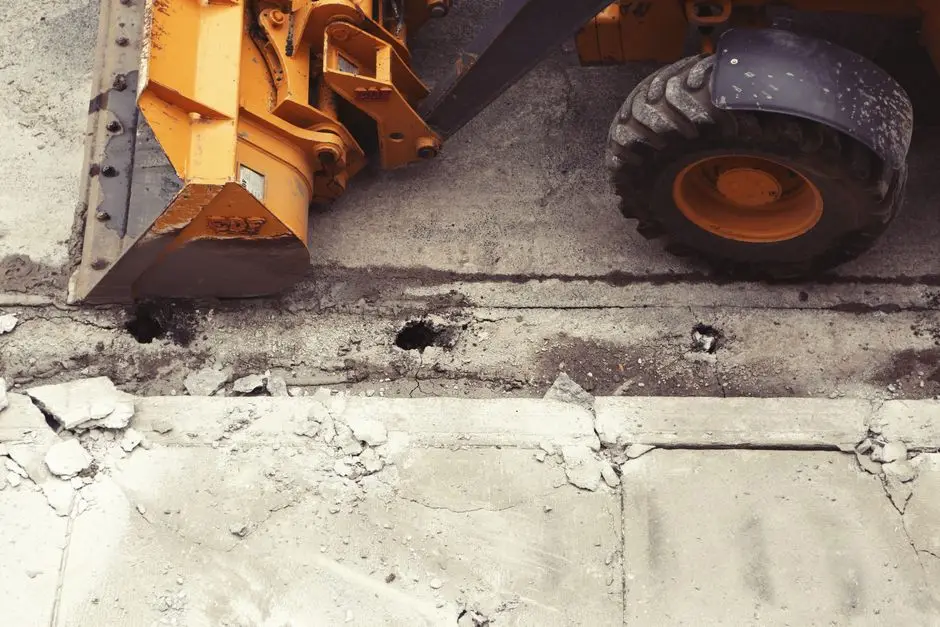
A bad patch job shows forever. A good one disappears. Here is what you get when we close up your slab after a plumbing repair in north highlands.
Clean, matched edges
We cut straight lines with a concrete cutting saw instead of chipping ragged holes. That gives the new pour a clean border to bond against, which means fewer hairline cracks at the seam. On interior floors we match the existing finish as closely as the original pour allows, and we tell you upfront when a perfect color match is not realistic.
Level, walkable surface
A patch that sits a quarter inch high catches your toe every morning. We check the new pour against the surrounding slab with a straightedge and float it level before it sets. For garage floors and driveways we add a light broom finish for grip. For interior floors we trowel smooth so tile, laminate, or carpet goes back down flat.
Correct cure, fewer cracks
Concrete patch mix that dries too fast cracks. We control the cure based on the day's temperature and the slab thickness, which matters in Sacramento County where summer pours can hit 100 degrees. We keep the patch covered and moist for the first 24 to 48 hours when needed, then tell you exactly when it is safe to walk on and when it is safe to park on.
One crew, start to finish
We do the leak repair and the concrete patch with the same team, so you are not coordinating a plumber and a concrete guy who blame each other when something goes wrong. That is a big part of why people looking for affordable concrete repair north highlands CA call us instead of hiring two separate contractors. One number, one schedule, one warranty.
Google ★★★★★4.9
SlabGuard repaired a slab leak in our kitchen and poured the patch the same week. The new concrete is level and after three months there are no cracks. They were on time, cleaned up, and the price matched the quote. Highly recommend for anyone in north highlands.
Yelp ★★★★★4.8
We had a failed patch in our garage from a previous contractor. SlabGuard cut it out, fixed the base, and poured a new section. It looks better than the original floor. They explained the cure time and told us exactly when to park on it.
BBB A+
Professional from start to finish. They found the leak with a thermal camera, repaired the pipe, and patched the concrete without tearing up more floor than necessary. Fair pricing and clear communication throughout.
Google ★★★★★5.0
Called on a Friday about a slab leak, had a quote by Saturday, and the patch was poured the following Wednesday. The crew was respectful of our home and kept the dust contained. The floor looks great and we are back to normal.
SlabGuard Plumbing has been fixing under-slab plumbing and closing the floors behind it since 2013. That is 13 years of cutting, pouring, and finishing concrete in Sacramento County homes, from 1950s ranch houses near Watt Avenue to newer builds in Antelope and Rio Linda. Our technicians hold the California Contractor License (C-36 Plumbing) and work to the California Plumbing Code and Uniform Plumbing Code on every job. We use electronic leak detection equipment, acoustic listening devices, and infrared thermal imaging cameras to find the problem before we ever touch a saw, so we cut once and cut right.
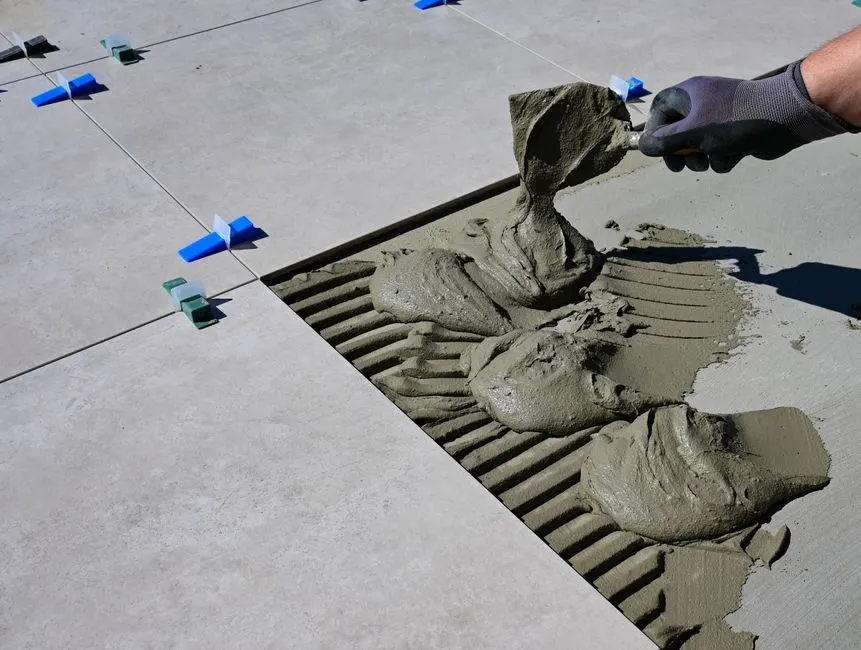
Real answers to the questions we hear most often from local homeowners and property managers.
Before we cut any concrete in north highlands, we confirm exactly where the leak is. Electronic leak detection equipment and acoustic listening devices let us pinpoint the spot within inches, so the patch stays small and the repair is targeted.
View Slab Leak DetectionThe repair itself comes before the patch. We fix the failed pipe under your north highlands slab, pressure-test the line, and only then pour the concrete back. Doing both with one crew means no waiting around for a second contractor.
View Slab Leak RepairElectronic leak detection finds hidden leaks under north highlands slabs without exploratory digging. We use it before every patch job so we know the repair is complete and the new concrete will not have to come back out in six months.
View Electronic Leak DetectionInfrared thermal imaging cameras from FLIR show temperature differences that reveal moisture under a slab. In north highlands homes with radiant heat or hot water lines, this is often the fastest way to confirm a leak before we cut and patch.
View Infrared Thermal ImagingAcoustic listening devices pick up the sound of water escaping a pressurized pipe under your slab. We use this on north highlands properties where the leak is small and the floor is finished, so we can patch a small area instead of a whole room.
View Acoustic Leak DetectionHydrostatic pressure testing kits confirm a line holds before we close the floor. Every north highlands concrete patch we pour is preceded by a pressure test, so you are not paying to re-open a slab because a fitting was missed.
View Pressure TestingWe answer the phone 24 hours a day, seven days a week. Whether it is a slow leak you have been watching for weeks or water coming up through the floor right now, call us at (888) 686-6586 and we will get a licensed plumber headed your way. Most calls in North Highlands get a tech on site the same day.
Phone
(888) 686-6586Address
North Highlands, CA
Hours
Mon–Fri: 7AM – 7PM
Sat: 8AM – 4PM
Sun: Emergency Only
24/7 Emergency Available