
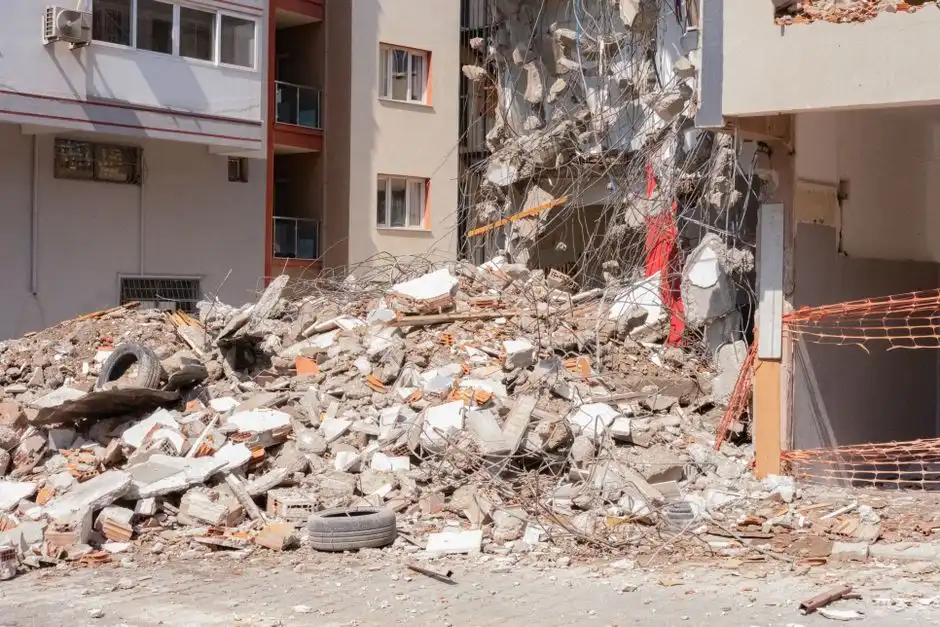
Pipe Location and Marking
We mark the pipe route with a pipe locator and chalk line before any cutting starts. This keeps the opening small and protects other lines running under the slab.
Every job includes the full scope: locate, cut, break, haul, repair access, and patch. We do not sub out the concrete work, and we do not leave you to find your own hauler. Here is what is covered when you hire us for concrete breaking and removal north highlands CA.
We mark the pipe route with a pipe locator and chalk line before any cutting starts. This keeps the opening small and protects other lines running under the slab.
We score the perimeter with a concrete cutting saw, then break the field with a jackhammer. Interior slabs usually take 1 to 3 hours depending on thickness and rebar.
All broken concrete gets loaded and hauled off the same day. We lay plastic sheeting over nearby flooring and furniture before we start, so dust stays contained.
Once the slab is open, we check the subgrade with moisture meters and look for signs of erosion or voids. If the base needs work, we tell you before we pour the patch.
We backfill with compacted base, pour a concrete patch mix matched to your slab, and finish it to blend with the surrounding floor. Curing takes 24 to 48 hours.
Before we close anything up, we pressure-test the repaired line. After the patch cures, we do a final walkthrough with you and confirm the repair holds.
Concrete breaking and removal north highlands CA is the controlled demolition of a concrete slab, driveway, patio, or garage floor so a plumber can reach the pipe underneath, then haul the rubble away. We use concrete cutting saws to score clean edges, jackhammers to break the field, and pipe locators to mark exactly where the line runs before a single bit touches the surface. That precision keeps the cut small and the repair focused.
Most calls we get in north highlands start the same way: a hot spot on the floor, a water bill that jumped, or a slab leak that an electronic leak detection scan confirmed. Homes built in the 1950s through the 1970s around 95660 and 95841 often still have original copper pipe or cast iron pipe under the slab, and both corrode over time. If you need concrete breaking and removal near me north highlands, we can usually be on site the same day.
Every job follows the same five steps, whether it is a small bathroom slab or a full garage floor. Here is what you can expect from the first call to the final walkthrough.
Schedule
Call or book online — a real human picks up and confirms a 2-hour arrival window.
Diagnose
Licensed tech inspects on-site, then walks you through the cause and your options.
Fix
The job is completed to code and done right the first time — no shortcuts, no surprises.
Guarantee
Every job backed by a written workmanship warranty — and we stand behind it.
Concrete Cutting Saw
Scores clean, straight edges around the repair area before any hammering starts. This keeps the opening small and the patch flush.
Jackhammer
Breaks the concrete field inside the scored perimeter. We use different bit sizes depending on slab thickness and whether rebar is present.
Pipe Locator
Marks the exact route of water, drain, and sewer lines under the slab so we do not strike them during demolition.
Moisture Meters
Checks the subgrade for excess moisture after the slab is open. Wet base means we need to dry it before pouring the patch.
Electronic Leak Detection Equipment
Pinpoints the leak location before we break concrete. This is the step that keeps the cut small and the repair targeted.
Infrared Thermal Imaging Cameras
FLIR cameras show temperature differences that reveal hidden leaks. We use thermal imaging when the leak location is unclear.
Hydrostatic Pressure Testing Kits
Confirms whether a line is leaking before and after repair. We pressure-test every line we open during concrete breaking and removal.
Locate-Before-Break Protocol
Every job starts with leak detection and pipe marking before any cutting starts. We use electronic leak detection equipment, acoustic listening devices, and a pipe locator to confirm the exact location. This protocol is why our cuts stay small and our repairs stay focused.
Post-Tension Safe Cutting
Post-tension slabs require a different approach. We map the cable layout first, then break concrete only in the safe zones between cables. We use a wider layout and different tools to keep the tensioned cables intact.
Compact-and-Patch Restoration
After the pipe repair, we backfill with compacted base, check moisture levels, and pour a concrete patch mix matched to the existing slab. Most patches cure in 24 to 48 hours and blend with the surrounding floor.
Uniform Plumbing Code Compliance
All pipe repairs done during concrete breaking and removal follow Uniform Plumbing Code (UPC) and California Plumbing Code standards. We pull permits when required and schedule the inspection before we close the slab.
01
What we do: We run an electronic leak detection scan, mark the pipe route, and break a small opening over the leak. Most jobs like this finish in one day.
→ Leak stopped, floor patched, and the water bill drops back to normal within a billing cycle.
02
What we do: We break out the garage slab over the break, replace the failed section of cast iron pipe, and pour a new patch matched to the existing floor.
→ Backups stop, the garage floor is restored, and the new pipe carries a workmanship warranty.
03
What we do: We break the concrete, repair the copper pipe section, pressure-test the line, and patch the slab. Tile work is scheduled after the patch cures.
→ Dry subgrade, repaired line, and a floor that is ready for new tile in 48 hours.
04
What we do: We schedule the concrete breaking and removal after business hours, break the slab, repair the line, and patch it before the morning shift.
→ Business opens on time, leak is fixed, and the lobby floor is walkable within 24 hours.
North Highlands has a lot of homes built between 1950 and 1975, and most of them still have original copper pipe or cast iron pipe under the slab. That older pipe corrodes, pinholes, and eventually fails. When it does, concrete breaking and removal north highlands California is the only way to reach the line. Sacramento County summers push ground temperatures high enough to expand the soil, and winter rains saturate the subgrade. That cycle stresses under-slab pipe and speeds up corrosion. We see it most in the older neighborhoods around 95660 and 95841, where slabs are thinner and the pipe has been in the ground for 60-plus years. If you are searching for affordable concrete breaking and removal north highlands CA, we can usually be on site the same day and give you a written estimate before we start.
Foothill Farms
Many homes here were built in the 1960s with copper pipe under the slab. Pinhole leaks are common, and we break small openings to reach them.
McClellan Park
Commercial and industrial slabs are thicker and often reinforced. We use heavier cutting saws and schedule work around business hours.
Rio Linda
Larger lots with detached garages mean more exterior slab work. Driveway and garage floor breaks are common here.
Highlands
Older housing stock with original cast iron pipe. Sewer line breaks under the slab are a frequent call.
Elverta
Rural properties with well water and irrigation lines running under concrete. We break and repair those lines regularly.
Expansive clay soil that swells in winter
Soil movement stresses under-slab pipe and can crack the slab itself. We check the subgrade after breaking and fix any voids before patching.
Summer ground temperatures above 100 degrees
Hot soil expands and puts pressure on copper pipe. Most slab leaks we see in north highlands happen in late summer and early fall.
Older homes with original cast iron pipe
Cast iron corrodes from the inside out. When it fails under a slab, we break the concrete, replace the section, and patch the floor.
Post-tension slabs in newer construction
Post-tension cables cannot be cut. We map the cable layout before breaking and work only in the safe zones between them.
Most concrete breaking and removal jobs start with a problem the homeowner cannot see. Here are the ones we run into most often in north highlands and how we handle them.
Problem
Water runs under the slab for weeks before it shows on the floor. By then the subgrade is saturated and the water bill has doubled.
Our Fix
We run electronic leak detection equipment and acoustic listening devices to pinpoint the leak before we break anything. That keeps the cut small and the repair focused on the actual failure point.
Problem
A bad patch job leaves a floor that cracks, settles, or never matches the surrounding slab. It looks bad and can trip you every time you walk across it.
Our Fix
We backfill with compacted base and pour a concrete patch mix matched to your existing slab. If the subgrade is unstable, we fix that first so the patch does not settle.
Problem
Post-tension slabs have tensioned cables running through them. Cutting one can cause serious injury and a repair bill in the tens of thousands.
Our Fix
We map the cable layout with a pipe locator and scanner before we cut. Then we break concrete only in the safe zones between cables, using a wider layout and different tools.
Problem
Roots crack the pipe, sewage backs up into the house, and the driveway has to come out to reach the line.
Our Fix
We run a video sewer inspection camera to find the break, break the concrete over the damaged section, repair the line, and patch the driveway back.
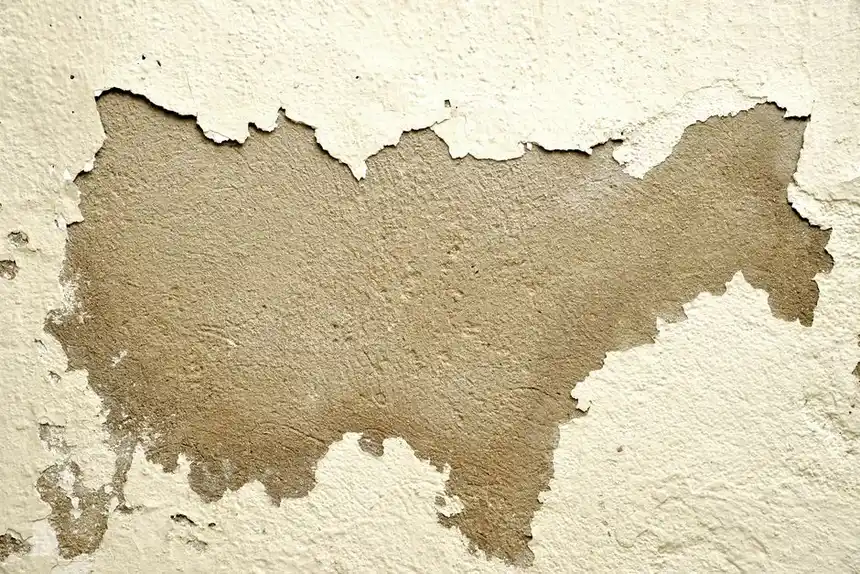
Breaking concrete is the part of a slab repair that customers worry about most. Done wrong, it cracks the surrounding slab, damages post-tension cables, or leaves a floor you can never match again. Here is what we do differently.
Clean, Controlled Cuts
We score the slab with a concrete cutting saw before any hammering starts. That gives us straight edges, a smaller opening, and a patch that sits flush when we pour it back. Most interior cuts run 2 by 3 feet, not the whole room.
Same-Day Haul-Off
Broken concrete is heavy and it piles up fast. We load every chunk into our truck and haul it off the same day, so your driveway, garage, or patio is clear by evening. No dumpster sitting in front of your house for a week.
Pipe-Safe Demolition
Before we break, we mark the pipe route with a pipe locator and confirm depth. That is how we avoid striking a water main, a drain line, or a post-tension cable. If your home has post-tension, we use different tools and a wider layout to keep the cables intact.
Patch and Restore Included
Once the pipe is repaired or replaced, we backfill, compact, and pour a concrete patch mix matched to your existing slab. Most patches cure in 24 to 48 hours. We can also texture or tint the patch so it blends with the surrounding floor.
Google ★★★★★4.9
SlabGuard broke out our bathroom floor for a slab leak and patched it back so clean you cannot tell where the cut was. They marked the pipe before they started and hauled all the concrete off the same day. Fair price, no surprises.
Yelp ★★★★★4.8
We had a sewer line break under our garage slab. SlabGuard broke the concrete, replaced the pipe, and poured a new patch. They pressure-tested the line before closing it up. Three days total. Highly recommend.
BBB A+
Professional crew, showed up on time, and cleaned up after themselves. They explained the whole process before starting and gave us a written estimate. The patch has held up perfectly for over a year.
Google ★★★★★5.0
Called at 6 a.m. with water pooling on the kitchen floor. SlabGuard had a crew out by 8 a.m., found the leak, broke the concrete, and repaired the line the same day. Cannot ask for better service.
SlabGuard Plumbing has been breaking and removing concrete for slab leak repairs since 2013. That is 13 years of cutting slabs in north highlands, Foothill Farms, Rio Linda, and the older neighborhoods around McClellan Park. Our technicians hold a California Contractor License (C-36 Plumbing) and complete OSHA safety training every year. We work to Uniform Plumbing Code (UPC) and California Plumbing Code standards on every job, and we carry IAPMO-certified fittings and materials. When we open a slab, we know what is underneath before the hammer comes out.
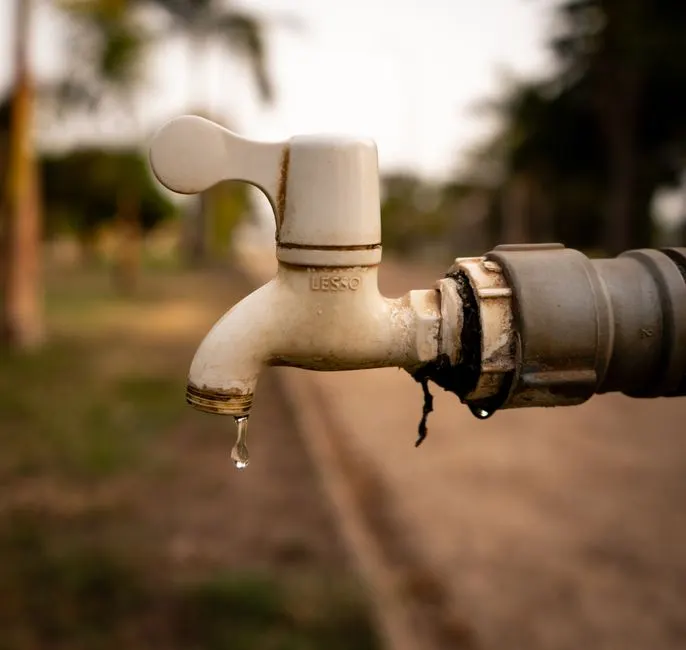
Real answers to the questions we hear most often from local homeowners and property managers.
We use electronic leak detection equipment and acoustic listening devices to find the leak before we break any concrete. Pinpointing the spot first keeps the cut small and the repair focused.
View Slab Leak DetectionOnce the concrete is open, we repair the failed pipe section and pressure-test the line. Most slab leak repairs in north highlands finish the same day the concrete comes out.
View Slab Leak RepairElectronic leak detection equipment pinpoints under-slab leaks without guesswork. We run this scan before concrete breaking and removal so we cut exactly where the problem is.
View Electronic Leak DetectionFLIR infrared thermal imaging cameras show temperature differences that reveal hidden leaks. We use thermal imaging on slabs where the leak location is unclear before we break concrete.
View Infrared Thermal ImagingAcoustic listening devices pick up the sound of water escaping under the slab. This is often the fastest way to confirm a leak before concrete breaking and removal begins.
View Acoustic Leak DetectionHydrostatic pressure testing kits confirm whether a line is leaking before and after repair. We pressure-test every line we open during concrete breaking and removal work.
View Pressure TestingWe answer the phone 24 hours a day, seven days a week. Whether it is a slow leak you have been watching for weeks or water coming up through the floor right now, call us at (888) 686-6586 and we will get a licensed plumber headed your way. Most calls in North Highlands get a tech on site the same day.
Phone
(888) 686-6586Address
North Highlands, CA
Hours
Mon–Fri: 7AM – 7PM
Sat: 8AM – 4PM
Sun: Emergency Only
24/7 Emergency Available